
Stay Green, Celebrate Craft, Leave a Lasting Trace of Good
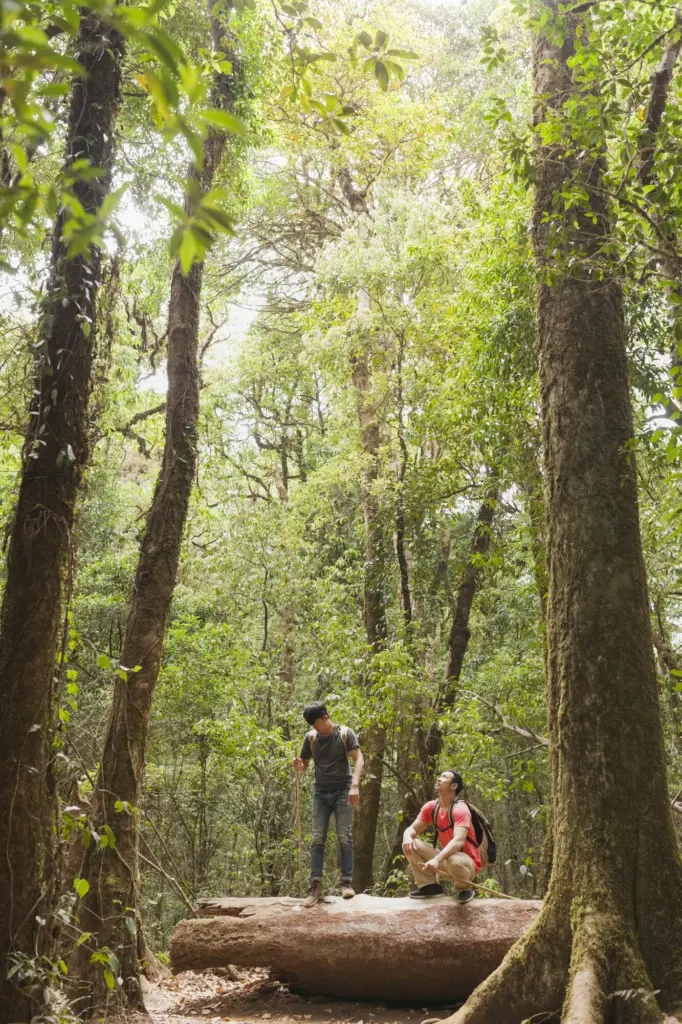
Journey into eco-friendly stays that support local artisans and traditional crafts, where regenerative hospitality powers workshops, funds apprenticeships, and gives guests real chances to learn, make, and buy with purpose. We spotlight inspiring places, transparent practices, booking tips, and traveler actions that protect culture, livelihoods, and landscapes together.

Why Green Hospitality and Handmade Heritage Thrive Together

Circular Design That Funds Creativity

By choosing renewable energy, composting, gray-water systems, and modular furnishings built by neighborhood carpenters, properties cut operating costs and redirect savings into commissions, residencies, and tool upgrades for artisans. Circular choices become a steady revenue loop that sustains workshops long after travelers check out.

From Souvenirs to Provenance-Rich Pieces

By choosing renewable energy, composting, gray-water systems, and modular furnishings built by neighborhood carpenters, properties cut operating costs and redirect savings into commissions, residencies, and tool upgrades for artisans. Circular choices become a steady revenue loop that sustains workshops long after travelers check out.

Travelers as Caring Custodians

By choosing renewable energy, composting, gray-water systems, and modular furnishings built by neighborhood carpenters, properties cut operating costs and redirect savings into commissions, residencies, and tool upgrades for artisans. Circular choices become a steady revenue loop that sustains workshops long after travelers check out.

How to Spot Places That Truly Uplift Makers

Marketing can be glossy; reality should be verifiable. Seek lodgings that publish artisan names, project timelines, material sources, and payment structures, not vague promises. Independent certifications help, but first-person stories, on-site workshops, and clear community partnerships reveal the most trustworthy commitments and measurable results.

Architecture and Amenities Shaped by Place

Earth, Bamboo, Timber, and Stone

Rammed earth moderates temperature naturally, bamboo grows quickly without replanting, reclaimed timber avoids new logging, and stone retains strength for generations. Skilled masons and carpenters transform structural choices into cultural storytelling, while maintenance training creates local jobs that keep craftsmanship economically rewarding and technically evolving.

Textiles, Dyes, and Finishes with Integrity

Handwoven linens, plant-dyed curtains, and clay-based paints minimize toxins while celebrating local aesthetics. Indigo, cochineal, or walnut create hues tied to seasons and landscapes. Clear care labels prevent damage, and paid studio tours help guests appreciate labor intensity before commissioning custom pieces ethically and joyfully.

Energy, Water, and Waste Aligned with Making

Solar arrays can power looms and lights; rainwater harvesting supports dye vats; compost warms seedling houses for fiber crops. Waste segregation keeps clay, metal, and textile offcuts available for reuse workshops, turning what once cost money to discard into collaborative, guest-friendly learning opportunities.

Stories from Stays That Changed Our Perspective

Field notes matter because they reveal nuance. Encounters with cooperative leaders, apprentices, and elders illuminate costs, risks, and joys invisible in brochures. These short snapshots show how respectful curiosity, clear compensation, and climate-aware design can transform a short trip into lasting community relationships and mutual learning.

One-Day Immersion

Begin with a studio orientation, safety briefing, and maker meet-and-greet over locally grown tea. Try a focused technique—coil-building, block printing, or spindle spinning—guided by an expert. End with a community meal where feedback is welcomed, payments are transparent, and gratitude circulates warmly and respectfully.

Three Days to Go Deeper

Day one maps materials and motifs; day two builds muscle memory; day three refines finish and story. Between sessions, visit farms, forests, or quarries supplying fibers, dyes, or clay. This cadence lets curiosity mature into capability while funding sustained maker time and equipment upgrades.

A Weeklong Learning Journey

Combine homestays in two villages, alternating crafts to balance posture and strain. Pair weaving with pottery, or basketry with natural dyeing. Rest days include river cleanups or tree plantings. Cap the week by exhibiting finished pieces locally, crediting collaborators, and celebrating new friendships with music and food.

Pack, Purchase, and Care with Intention

The lightest bag often makes the richest journey. Bring clothing you can stain, closed-toe shoes, and a compact apron. Carry a notebook for maker names and care notes. Buy fewer, heirloom-quality pieces, keep receipts, and learn cleaning methods that extend life without harsh chemicals.

Keep the Momentum After You Return

Impact need not end at checkout. Share respectful reflections with credit to makers, write reviews that highlight practices not buzzwords, and subscribe to cooperative newsletters. Consider remote classes, micro-grants, or material donations. Your ongoing attention can stabilize incomes through low seasons and inspire future travelers meaningfully.

Tell Stories with Consent and Context

Before posting photos, confirm permissions, name artists accurately, and avoid sharing sacred processes. Pair images with maker biographies and links to shops. Thoughtful storytelling counters stereotypes, drives fair sales, and ensures communities benefit from visibility that travelers often take for granted online.

Join Networks that Strengthen Craft Economies

Look for fair-trade buyer groups, museum guilds, and open-source design forums where makers and travelers exchange techniques safely. Membership fees can fund scholarships, while group orders stabilize demand. Participation keeps learning active and replaces extractive bargaining with long-term, trust-based collaboration grounded in mutual respect.

Advocate Locally for Fair Work and Clean Materials

Contact city councils about studio zoning, waste pickup for safe reuse, and grants for apprenticeships. Support libraries carrying dye, weaving, and repair manuals. Encourage schools to invite craftspeople. Local advocacy closes the loop between what inspired you abroad and what thrives in your own neighborhood.
Niloxarilaxitari
Privacy Overview

This website uses cookies so that we can provide you with the best user experience possible. Cookie information is stored in your browser and performs functions such as recognising you when you return to our website and helping our team to understand which sections of the website you find most interesting and useful.